Understanding Sports Broadcasting
Defining Sports Broadcasting
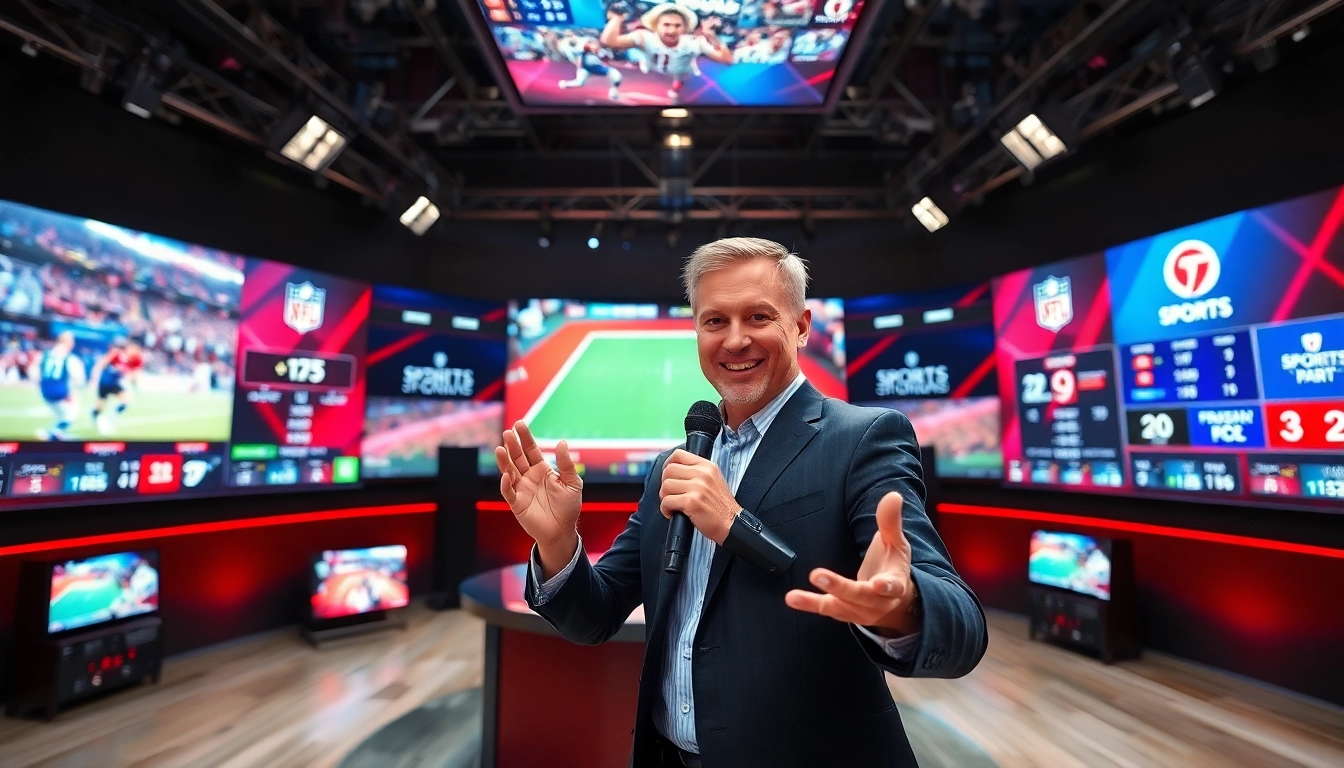
Sports broadcasting is the dissemination of live and recorded sporting events through various media channels such as television, radio, and the internet. This industry connects fans with their favorite sports and teams, offering not just game coverage but also insights, commentary, and analysis. Notably, Sports Broadcasting encompasses a broad array of formats, including pre-game shows, halftime analysis, and post-game interviews, which aim to engage audiences and provide comprehensive coverage of the sporting world.
Historical Evolution of Sports Broadcasting
The roots of sports broadcasting can be traced back to the early 20th century when radio stations began broadcasting live sporting events, such as baseball games. The first televised sports event occurred in 1936, featuring a college baseball game, marking a significant shift in how audiences consumed sports. The introduction of color television and advances in technology during the 1960s further revolutionized sports broadcasting, with major events like the Super Bowl benefiting from enhanced visual and audio experiences. Today, the rise of streaming services and social media platforms has further transformed the landscape, allowing for on-demand access and real-time updates, engaging audiences in unprecedented ways.
Importance of Sports Broadcasting
Sports broadcasting plays a pivotal role in the sports industry. It serves not only to entertain but also to educate and connect fans with stories and narratives surrounding their favorite teams and athletes. Furthermore, it provides a vital revenue stream for sports organizations through advertising and sponsorships. The popularity of sports broadcasts can also influence local economies, drawing in crowds and stimulating tourism during major events. Additionally, broadcasting sports helps preserve and promote cultural values tied to various sports, fostering a sense of community among fans.
Key Components of Sports Broadcasting
Technology Used in Sports Broadcasting
The technological landscape of sports broadcasting is continually evolving, with advancements in broadcasting equipment, graphics, and sound engineering playing crucial roles. High-definition cameras, drones, and virtual augmented reality have enhanced viewer experiences, offering aerial views and interactive elements that were previously impossible. Streaming technology has also transformed how content is delivered, allowing broadcasts to reach audiences across multiple platforms simultaneously. The integration of AI for editing and analytics further streamlines production processes, ensuring that broadcasts meet the high expectations of modern viewers.
Roles of Broadcasters and Analysts
Broadcasters and analysts are at the heart of sports coverage. Broadcasters serve as the voice of the game, delivering live commentary and providing context, excitement, and emotion to the viewer’s experience. Analysts, on the other hand, focus on providing in-depth analysis of plays, players, and strategies. Their expertise helps viewers understand complex aspects of the game, making the broadcasts more enriching. Additionally, the collaboration between these professionals ensures a seamless flow of information that keeps fans engaged, informed, and entertained throughout the event.
Production Techniques in Sports Broadcasting
Production techniques in sports broadcasting are essential for creating a high-quality viewing experience. This includes meticulous planning, such as pre-production meetings to discuss storylines, camera angles, and graphics. During the broadcast, producers coordinate multiple camera feeds to capture key moments dynamically. Post-production editing often involves highlights, commentary, and graphics to provide audiences with a summarized version of events. Effective use of sound and graphics enhances the drama and excitement of sporting events, ensuring that fans remain captivated from start to finish.
Challenges in Sports Broadcasting
Technical Difficulties and Solutions
With the rapid evolution of technology, sports broadcasters face numerous technical challenges. Outages, equipment failures, or bandwidth limitations can severely disrupt live broadcasts. Implementing robust redundancy systems, investing in reliable equipment, and thorough pre-event testing are crucial in mitigating these risks. Furthermore, maintaining strong relationships with technology partners ensures that broadcasters stay ahead of industry trends and are prepared for swift adaptations in case of technical glitches during live events.
Challenges in Audience Engagement
Maintaining audience engagement is another significant challenge faced by sports broadcasters. With the rise of shorter, more dynamic content on social media, traditional broadcasts are competing for viewers’ attention. To adapt, broadcasters need to innovate by integrating interactive elements, such as live polls, Q&A sessions with analysts, and gamification of viewing experiences. By creating a more immersive and engaging environment, broadcasters can retain viewership and attract new fans, particularly among younger demographics.
Legal and Ethical Considerations
Sports broadcasting is also subject to various legal and ethical challenges. Issues surrounding copyright, licensing agreements, and broadcasting rights must be navigated carefully to avoid legal repercussions. Ethical considerations include fair representation of athletes and sponsors, ensuring diversity in coverage, and presenting accurate information. Broadcasters must adhere to regulations and guidelines to maintain credibility and foster a transparent relationship with their audiences.
Innovative Trends in Sports Broadcasting
Live Streaming Technologies
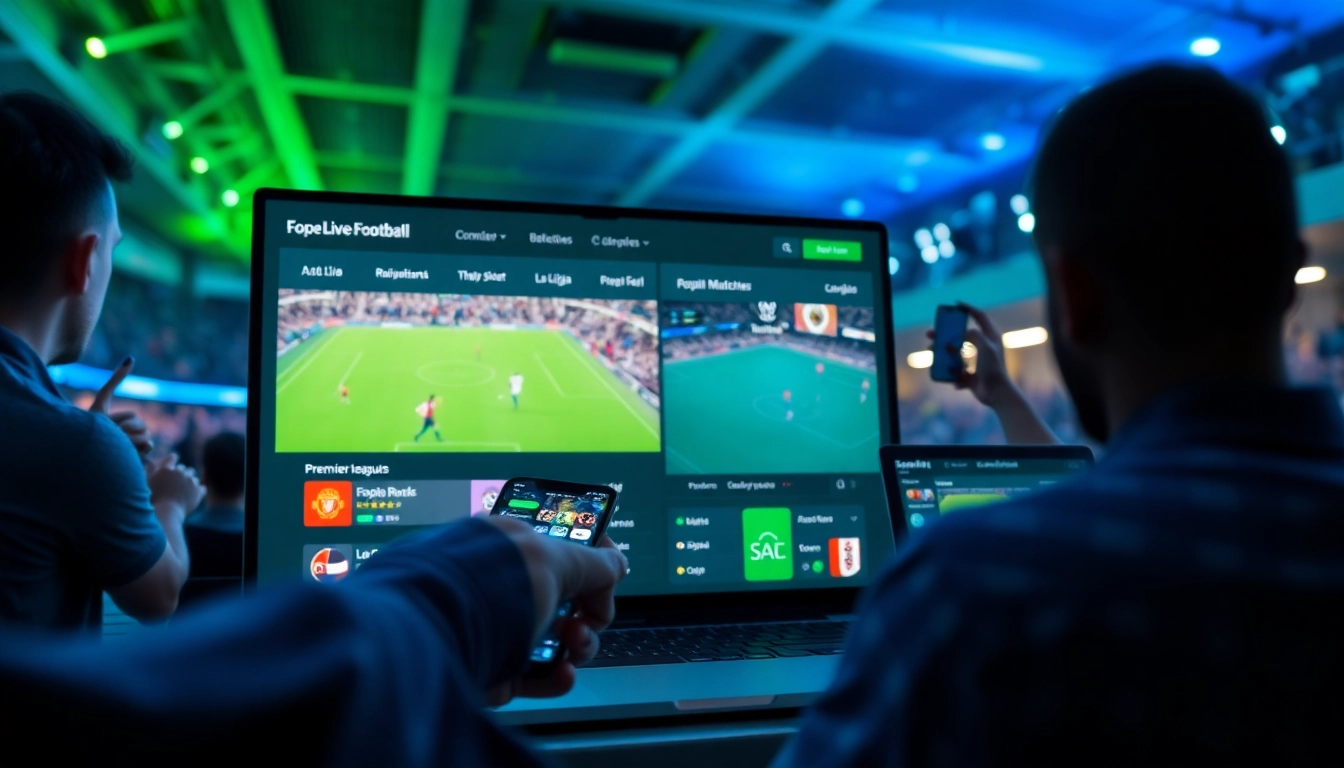
Live streaming has become a dominant force in sports broadcasting, enabling fans to watch events in real-time on various devices. Platforms such as social media, dedicated streaming apps, and website integrations allow for flexible viewing options, appealing to diverse audiences. This shift has driven broadcasters to prioritize streaming capabilities, invest in high-quality production for online platforms, and adapt content specifically for digital consumption, ensuring they can meet the growing demand for on-demand sports coverage.
Interactive Broadcasting Elements
Recent advancements in interactive technology have empowered broadcasters to create more engaging viewing experiences. By incorporating augmented reality graphics, real-time statistics, and fan interaction features during broadcasts, sports networks can bridge the gap between traditional viewing and an interactive, immersive experience. These elements not only enhance the enjoyment of the game but also allow fans to feel more involved, fostering a deeper connection to the events they are watching.
The Role of Social Media in Sports Broadcasting
Social media has transformed how sports are broadcasted and consumed. Platforms like Twitter, Instagram, and TikTok allow broadcasters to reach audiences through snippets of live-action, highlights, and behind-the-scenes content. These channels help build anticipation and engagement around events before they occur and create ongoing conversations during and after broadcasts. Effective use of social media strategies can enhance brand visibility, foster community, and eventually drive viewership to traditional broadcasts.
Maximizing Impact Through Sports Broadcasting
Analyzing Viewer Preferences
Understanding viewer preferences is crucial for broadcasters aiming to maximize impact. Conducting audience research through surveys and analytics helps in identifying what fans value most in terms of content. By leveraging data analytics, broadcasters can tailor their programming, adjust commentary styles, and select relevant storylines that resonate with specific demographics. Enhanced targeting ensures that content not only meets viewer needs but also contributes to increased engagement and loyalty.
Performance Metrics and Analytics in Sports Broadcasting
Performance metrics play a key role in evaluating the success of sports broadcasts. Metrics such as viewership ratings, audience retention rates, and engagement levels provide insights into what works and what doesn’t. Advanced analytics tools enable broadcasters to assess these metrics in real-time, facilitating quick adjustments to improve audience experiences. By focusing on performance, broadcasters can enhance strategies, optimize content delivery, and ultimately drive viewer growth.
Future of Sports Broadcasting
The future of sports broadcasting is poised for continued transformation, driven mainly by technological advancements and shifts in viewer behavior. Emerging technologies like 5G enable faster streaming capabilities and the potential for new interactive experiences, while AI may play an essential role in personalizing content. As preferences evolve, broadcasters must remain adaptable, embracing new platforms and technologies that facilitate an innovative viewing experience and foster closer connections with fans.
Frequently Asked Questions
What is sports broadcasting?
Sports broadcasting refers to the transmission of live or recorded sporting events via television, radio, or digital platforms, providing analysis, commentary, and insights to engage viewers.
How has technology changed sports broadcasting?
Technology has revolutionized sports broadcasting by enhancing production quality, incorporating high-definition visuals, and expanding access through live streaming across various devices and platforms.
What are the key roles in sports broadcasting?
Key roles in sports broadcasting include broadcasters who provide live commentary and analysts who offer strategic insights, enhancing the viewing experience and informing audiences.
How do broadcasters engage their audience?
Broadcasters engage audiences through interactive elements, compelling storytelling, and by leveraging social media to create conversations around the events they cover.
What is the future of sports broadcasting?
The future of sports broadcasting will likely involve continued integration of advanced technologies like 5G, AI for personalization, and innovative interactive content to enhance viewer engagement.